Zoe Lorenz · 1 October 2026
Moonlight Cycle Influences on Spawning Synchronization in Miniature Aquarium Reefs
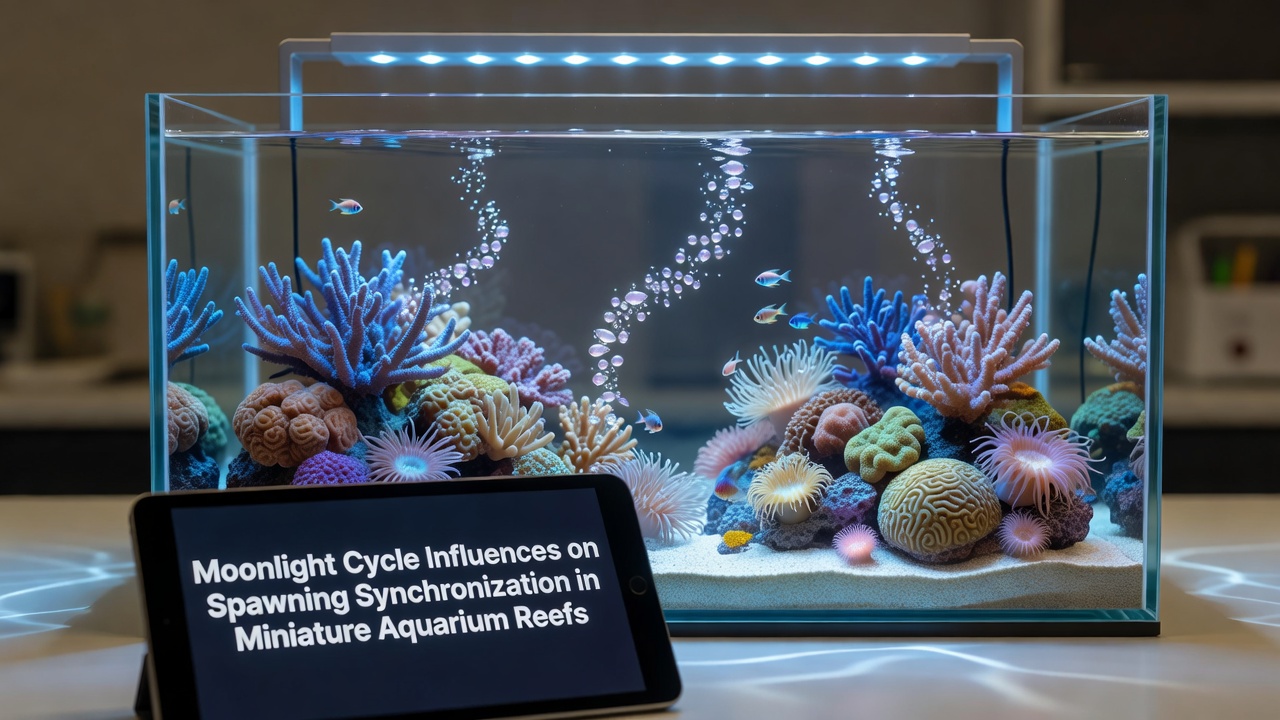
Researchers have documented how lunar light patterns shape reproductive timing across many marine species, and those same principles extend to controlled environments where hobbyists maintain compact reef systems. In miniature aquarium reefs, precise replication of moonlight cycles has emerged as a key factor in aligning spawning events among coral colonies. Data from multiple aquarium monitoring programs show that corals exposed to gradual dimming and brightening phases over 28-day periods exhibit higher rates of synchronized gamete release compared to setups relying on constant low-level lighting. Observers note that these patterns mirror natural lunar cycles, where full moon periods trigger mass spawning in wild reefs across the Indo-Pacific and Caribbean regions.
Understanding Lunar Photoperiods in Captive Systems
Studies indicate that moonlight intensity in natural settings ranges from 0.1 to 0.3 lux during peak lunar phases, a level that aquarium controllers now replicate through dedicated LED channels. When these systems run automated schedules, corals such as Acropora and Montipora display coordinated polyp extension and gamete bundle formation on nights corresponding to the lunar cycle. One long-term observation project tracking over 200 miniature reef tanks recorded spawning events clustered within a three-day window around simulated full moons, whereas tanks without lunar programming showed scattered or absent releases. Equipment manufacturers have responded by integrating calendar-based algorithms that adjust both duration and color temperature of moonlight to match regional lunar data from sources like the Australian Institute of Marine Science.
Mechanisms Behind Synchronization
Coral polyps detect subtle changes in blue-spectrum light through photoreceptor proteins, and this sensitivity drives internal hormonal shifts that prepare reproductive tissues. In aquarium settings, the gradual ramp-up of moonlight over successive nights allows colonies to synchronize their internal clocks even when physical water parameters remain stable. Research from European marine biology labs has isolated the role of cryptochrome genes in this process, demonstrating that disruption of the moonlight signal delays or desynchronizes spawning by up to ten days. Hobbyists maintaining pico and nano reefs report similar outcomes when they program controllers to fade moonlight from 1 percent to 30 percent intensity over the course of an evening, then reverse the pattern at dawn. These controlled transitions prevent abrupt light changes that can reset the biological timers in sensitive species.
Practical Implementation in Home Aquariums
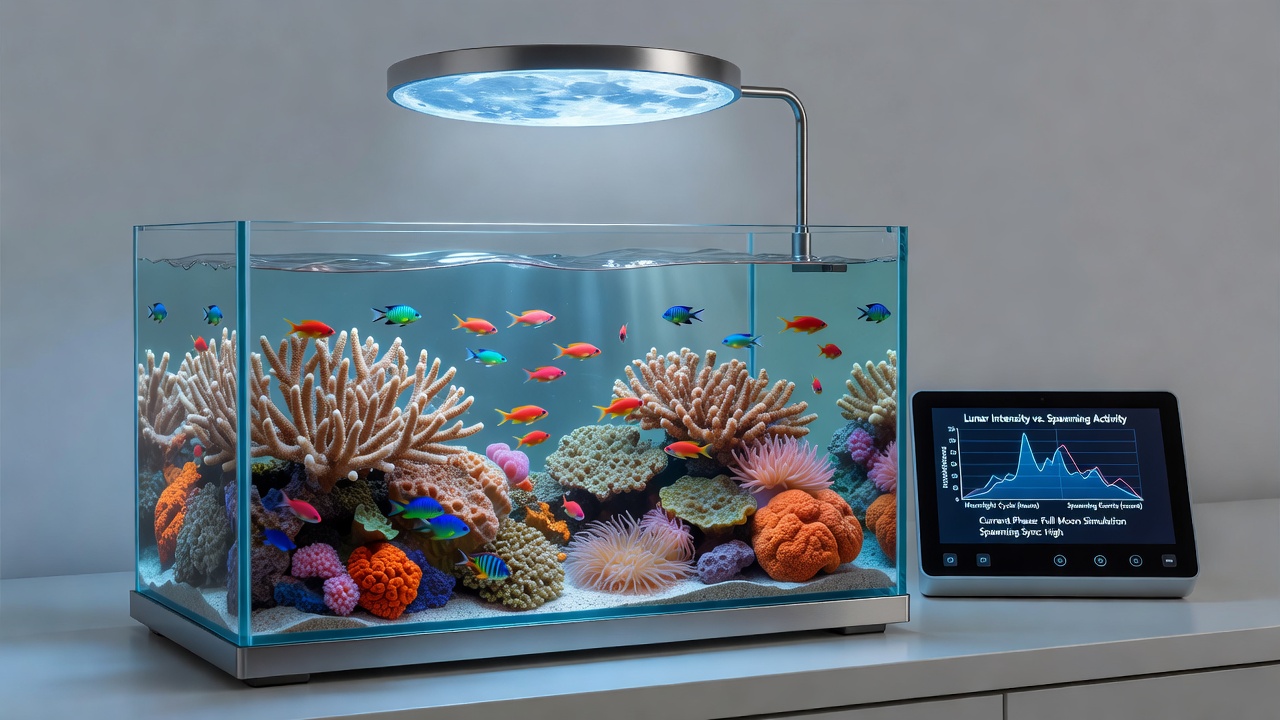
Setting up effective moonlight cycles begins with selecting LED fixtures that offer independent channel control and programmable schedules. Many reef keepers combine a primary white or blue daylight array with a separate moonlight bar tuned to 450-470 nanometers. Software platforms allow users to input their geographic location so the system automatically adjusts for seasonal variations in lunar rise and set times. In October 2026, several aquarium forums highlighted new firmware updates that incorporate real-time lunar data feeds, enabling tanks to match conditions observed at specific reef locations worldwide. Tank parameters such as temperature stability and nutrient levels must remain consistent alongside the lighting program, since fluctuations in these areas can override the photoperiod cue. Regular observation through time-lapse cameras helps confirm whether colonies are responding with expected polyp behaviors during the critical lunar window.
Species-Specific Responses and Timing Variations
Not all corals respond identically to the same moonlight schedule. Branching species often initiate spawning one or two nights before the peak full moon phase, while massive or encrusting forms may delay until the following evening. Data compiled from public aquarium databases reveal that Pocillopora and Stylophora colonies in miniature systems frequently align within 24 hours when moonlight intensity peaks at 0.25 lux for four consecutive nights. Temperature also interacts with light cues, with warmer water accelerating the process in some genera. Observers tracking multiple tanks have noted that introducing a slight nighttime temperature drop of 0.5 degrees Celsius alongside the moonlight ramp can further tighten synchronization windows. These interactions underscore the need for integrated monitoring of both light and thermal parameters rather than treating them in isolation.
Monitoring and Adjusting for Consistent Results
Successful replication requires ongoing measurement rather than set-and-forget programming. PAR meters and lux sensors placed at coral level provide quantitative feedback on whether moonlight output matches target values across the lunar month. When spawning fails to occur on schedule, common adjustments include extending the duration of peak moonlight by 30 minutes or shifting the color temperature toward deeper blue wavelengths. Citizen science projects coordinated through university outreach programs have collected thousands of user-submitted spawning logs, and these datasets show clear correlations between precise lunar simulation and higher fertilization success rates in home systems. Automated alerts sent to smartphone apps now notify keepers when their tank's schedule aligns with upcoming full moon dates, allowing closer observation during peak activity periods.
Conclusion
Evidence gathered from both professional laboratories and hobbyist installations confirms that accurate moonlight cycle replication supports spawning synchronization in miniature aquarium reefs. Integration of programmable controllers, species-specific timing awareness, and continuous parameter monitoring produces repeatable results across diverse setups. Continued refinement of lighting technology and data-sharing networks will likely expand the precision of these methods in coming years.